Clipped Text
A word cut off at the page edge—complete it or keep the fragment?
✅ NormativeSettled. The requirement holds as written.📄 Page ruleCan be applied from the page alone.Read §7.3.1 in the RFC ↗
Text cut off at the page edge MUST be rendered as the characters actually visible. A clipped word MUST NOT be completed, and an ellipsis or marker that the page does not print MUST NOT be appended to it.
When it applies
A page whose content runs past the printable edge: the last letters of a label, the end of a sentence, the right-hand column of a table are simply absent. Nothing is overprinted or redacted; the ink was never there.
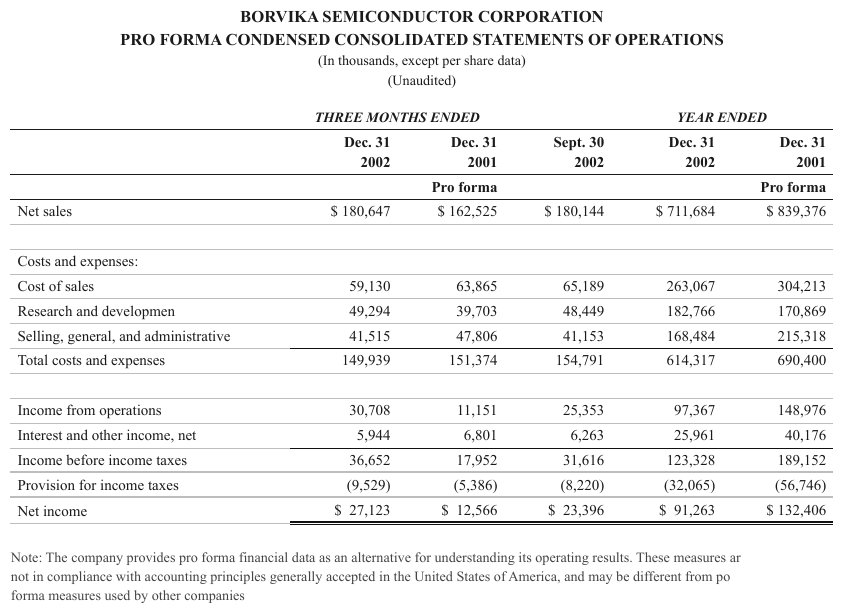
Research and developmen        49,294     ← the final t is off the page
Selling, general, and administrative     41,515
Note: … These measures ar
not in compliance with … different from po
forma measures …
Reading the examples. Each one pairs a source page with the output the rule expects. ✅ Sample: the rule applies. ❌ Counter-sample: it looks like it applies and does not, or a rendering got it wrong. A non-conforming output, in red, is shown only for contrast. … marks content left out of an excerpt.
Requirements
- The visible fragment MUST be kept, verbatim — see Cell Text Fidelity (§9.6.3). Dropping it loses printed content; completing it adds content that is not printed. See Never Drop, Never Invent (§2.2).
- The clipping itself MUST NOT be marked inside the text. A producer MAY record that a page is clipped outside the Markdown.
- A clipped line inside a paragraph is joined to the next line like any other wrapped line; the fragment stays as printed.
a statement cut at the right margin
Research and developmen in the stub, measures ar and from po in the note: the stub label and
the note lines that reach the right edge lose their last characters.
Source page
Expected output · excerpt
| … | ||||||||||||||||||||||||||||||||||||||||||||||||||||||||||||||||||||||||||||||||||||||||||||||||||
| Cost of sales | 59,130 | 63,865 | 65,189 | 263,067 | 304,213 | |||||||||||||||||||||||||||||||||||||||||||||||||||||||||||||||||||||||||||||||||||||||||||||
| Research and developmen | 49,294 | 39,703 | 48,449 | 182,766 | 170,869 | |||||||||||||||||||||||||||||||||||||||||||||||||||||||||||||||||||||||||||||||||||||||||||||
| Selling, general, and administrative | 41,515 | 47,806 | 41,153 | 168,484 | 215,318 | |||||||||||||||||||||||||||||||||||||||||||||||||||||||||||||||||||||||||||||||||||||||||||||
| Total costs and expenses | 149,939 | 151,374 | 154,791 | 614,317 | 690,400 | |||||||||||||||||||||||||||||||||||||||||||||||||||||||||||||||||||||||||||||||||||||||||||||
| … | ||||||||||||||||||||||||||||||||||||||||||||||||||||||||||||||||||||||||||||||||||||||||||||||||||
Note: The company provides pro forma financial data as an alternative for understanding its operating results. These measures ar not in compliance with accounting principles generally accepted in the United States of America, and may be different from po forma measures used by other companies
Neighbouring rules, and how they differ
More
Rule id text-clipped-text · text fidelity layout