Column Continuation
One long series printed in two side-by-side blocks—one table or two?
✅ NormativeSettled. The requirement holds as written.📄 Page ruleCan be applied from the page alone.Read §9.2.2 in the RFC ↗
One long series printed as side-by-side blocks SHOULD be rendered as one table per printed block, each carrying its own copy of the headers, including repeated blocks inside one frame. A checker MUST accept source-supported joined equivalents without losing or reassigning records.
When it applies
A long series — states A–Z, durations 1–36 — printed as two or three blocks beside each other under one title, with the headers repeated over each block and the key continuing from one block to the next.
Printed:   | State | Rate |   | State | Rate |
           | AL    | 1.10 |   | MT    | 0.95 |

Rendered:  one table for the left block, one table for the right block,
           each with its own | State | Rate | header.
Reading the examples. Each one pairs a source page with the output the rule expects. ✅ Sample: the rule applies. ❌ Counter-sample: it looks like it applies and does not, or a rendering got it wrong. A non-conforming output, in red, is shown only for contrast. … marks content left out of an excerpt.
Requirements
- Each printed block SHOULD be its own table, in reading order, with its own copy of the headers exactly as printed above it.
- Stacking the blocks into one table — the second block's rows appended under the first block's header — carries the same rows and is an accepted equivalent (see Accepted Alternatives (§A.1)); a document MUST use one form consistently throughout.
- Do not invent a wide grid. For separately framed blocks, zipping row i of each block into one wide row MUST NOT be done: it pairs
ALwithMTand asserts a relationship between two unrelated records. A row readingSTATE | AVAILABILITY | WITHDRAWAL | STATE | AVAILABILITY | WITHDRAWALbuilt from separate blocks is non-conforming unless that wide grid is itself printed inside one enclosing frame. - Repeated copies of the same schema inside one enclosing frame SHOULD also be split into one table per printed block. The outer frame and continuous horizontal rules do not make records with different keys belong to the same row. Keeping that source-printed wide grid is an accepted equivalent; splitting is preferred because each series can be traversed directly.
- A shared title MUST remain attached to the whole group. It MAY appear once outside the group; a title band MAY instead be repeated over each block with its span reduced to the block width. Actual shared row keys, non-repeating column groups, and cells carrying relationships across blocks MUST NOT be split by this rule.
- A shared key column MUST NOT be duplicated into both halves' output. It adds nothing and breaks the link between cells and their position on the page.
Kansas county codes as four side-by-side County | Code blocks4tables
Header repeated, key continuing Allen…Ellsworth │ Finney…Lincoln │ Linn…Republic │ Rice…Wyandotte. The textbook case.
Source page
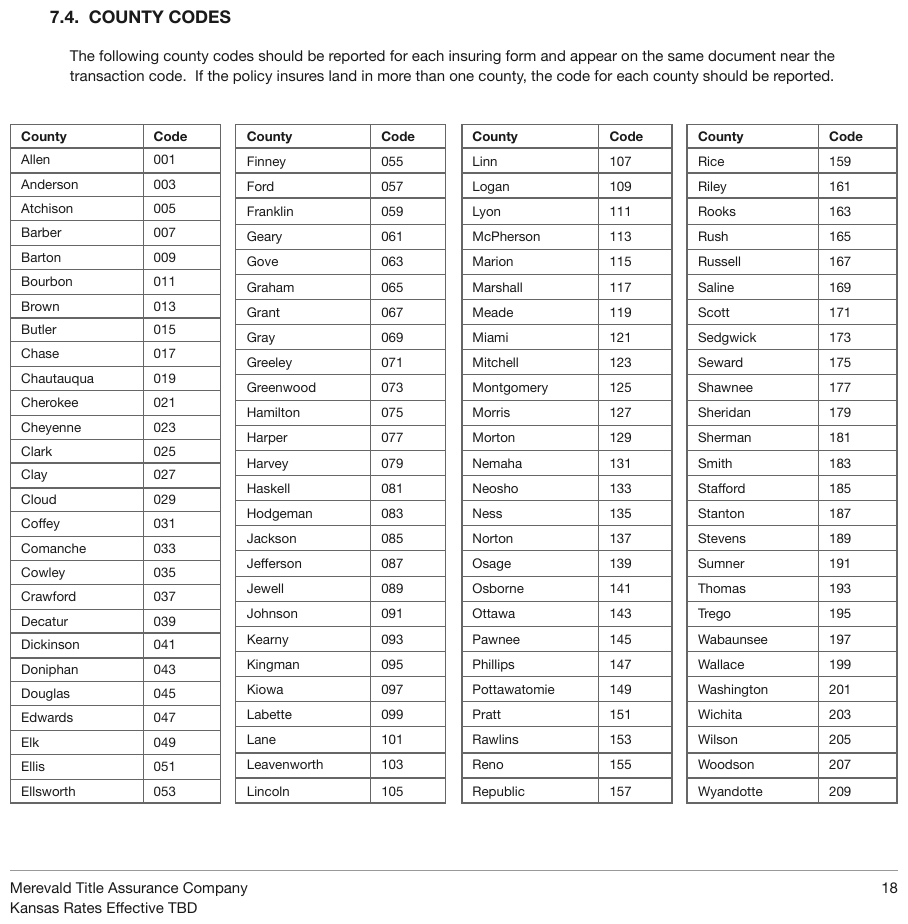
Expected output · excerpt, table 1 of 4
| County | Code | |||||||||||||||||||||||||||||||||||||||||||||||||||||||||||||||||||||||||||||||||||||||||||||||||
|---|---|---|---|---|---|---|---|---|---|---|---|---|---|---|---|---|---|---|---|---|---|---|---|---|---|---|---|---|---|---|---|---|---|---|---|---|---|---|---|---|---|---|---|---|---|---|---|---|---|---|---|---|---|---|---|---|---|---|---|---|---|---|---|---|---|---|---|---|---|---|---|---|---|---|---|---|---|---|---|---|---|---|---|---|---|---|---|---|---|---|---|---|---|---|---|---|---|---|
| Allen | 001 | |||||||||||||||||||||||||||||||||||||||||||||||||||||||||||||||||||||||||||||||||||||||||||||||||
| Anderson | 003 | |||||||||||||||||||||||||||||||||||||||||||||||||||||||||||||||||||||||||||||||||||||||||||||||||
| Atchison | 005 | |||||||||||||||||||||||||||||||||||||||||||||||||||||||||||||||||||||||||||||||||||||||||||||||||
| Barber | 007 | |||||||||||||||||||||||||||||||||||||||||||||||||||||||||||||||||||||||||||||||||||||||||||||||||
| Barton | 009 | |||||||||||||||||||||||||||||||||||||||||||||||||||||||||||||||||||||||||||||||||||||||||||||||||
| Bourbon | 011 | |||||||||||||||||||||||||||||||||||||||||||||||||||||||||||||||||||||||||||||||||||||||||||||||||
| … | ||||||||||||||||||||||||||||||||||||||||||||||||||||||||||||||||||||||||||||||||||||||||||||||||||
| Ellsworth | 053 | |||||||||||||||||||||||||||||||||||||||||||||||||||||||||||||||||||||||||||||||||||||||||||||||||
| County | Code | |||||||||||||||||||||||||||||||||||||||||||||||||||||||||||||||||||||||||||||||||||||||||||||||||
|---|---|---|---|---|---|---|---|---|---|---|---|---|---|---|---|---|---|---|---|---|---|---|---|---|---|---|---|---|---|---|---|---|---|---|---|---|---|---|---|---|---|---|---|---|---|---|---|---|---|---|---|---|---|---|---|---|---|---|---|---|---|---|---|---|---|---|---|---|---|---|---|---|---|---|---|---|---|---|---|---|---|---|---|---|---|---|---|---|---|---|---|---|---|---|---|---|---|---|
| Finney | 055 | |||||||||||||||||||||||||||||||||||||||||||||||||||||||||||||||||||||||||||||||||||||||||||||||||
| … | ||||||||||||||||||||||||||||||||||||||||||||||||||||||||||||||||||||||||||||||||||||||||||||||||||
A single quarterly return series split across four blocks4t
A single quarterly return series split across four blocks, quarters running 1999 Q2 → 2019 Q2. Each two-line header is one wrapped label.
Source page
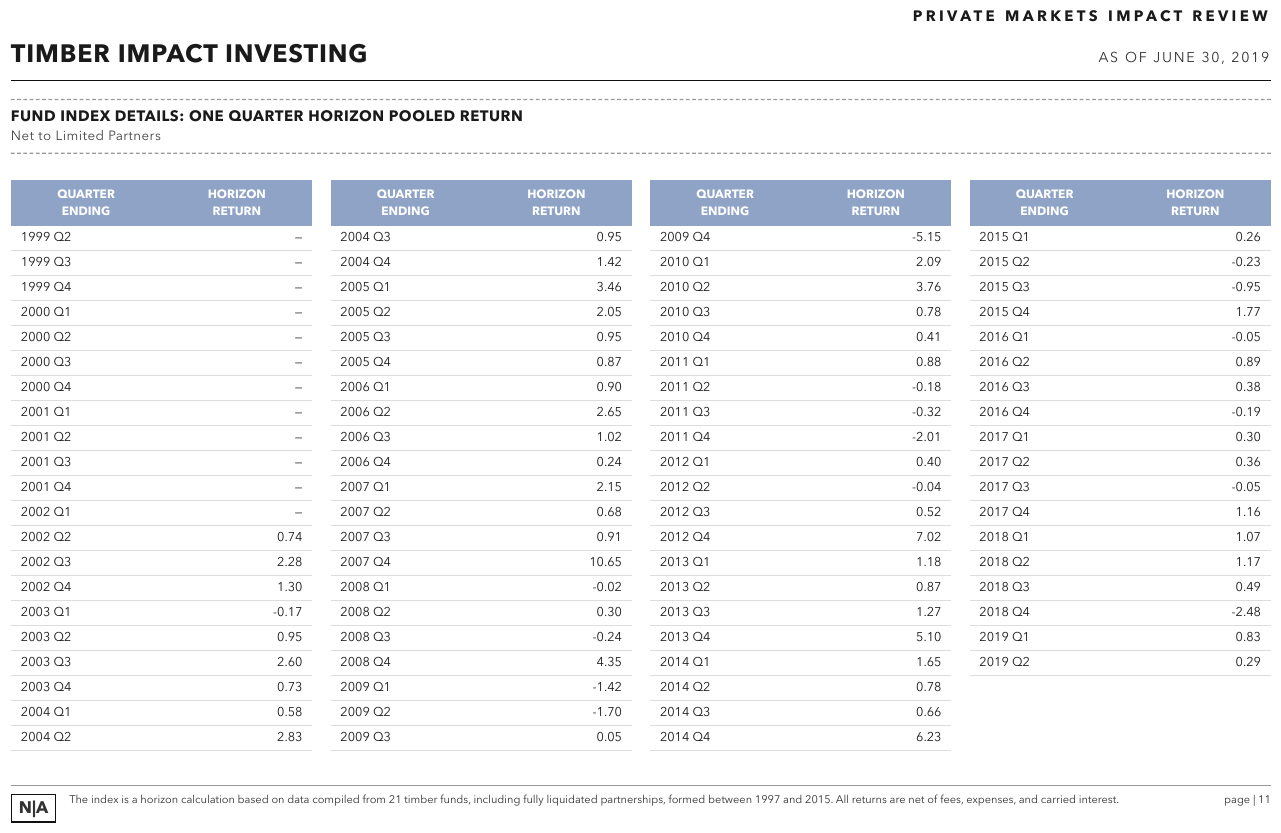
Expected output · excerpt, table 1 of 4
| QUARTER ENDING | HORIZON RETURN | |||||||||||||||||||||||||||||||||||||||||||||||||||||||||||||||||||||||||||||||||||||||||||||||||
|---|---|---|---|---|---|---|---|---|---|---|---|---|---|---|---|---|---|---|---|---|---|---|---|---|---|---|---|---|---|---|---|---|---|---|---|---|---|---|---|---|---|---|---|---|---|---|---|---|---|---|---|---|---|---|---|---|---|---|---|---|---|---|---|---|---|---|---|---|---|---|---|---|---|---|---|---|---|---|---|---|---|---|---|---|---|---|---|---|---|---|---|---|---|---|---|---|---|---|
| 1999 Q2 | — | |||||||||||||||||||||||||||||||||||||||||||||||||||||||||||||||||||||||||||||||||||||||||||||||||
| 1999 Q3 | — | |||||||||||||||||||||||||||||||||||||||||||||||||||||||||||||||||||||||||||||||||||||||||||||||||
| 1999 Q4 | — | |||||||||||||||||||||||||||||||||||||||||||||||||||||||||||||||||||||||||||||||||||||||||||||||||
| 2000 Q1 | — | |||||||||||||||||||||||||||||||||||||||||||||||||||||||||||||||||||||||||||||||||||||||||||||||||
| 2000 Q2 | — | |||||||||||||||||||||||||||||||||||||||||||||||||||||||||||||||||||||||||||||||||||||||||||||||||
| 2000 Q3 | — | |||||||||||||||||||||||||||||||||||||||||||||||||||||||||||||||||||||||||||||||||||||||||||||||||
| … | ||||||||||||||||||||||||||||||||||||||||||||||||||||||||||||||||||||||||||||||||||||||||||||||||||
| 2004 Q2 | 2.83 | |||||||||||||||||||||||||||||||||||||||||||||||||||||||||||||||||||||||||||||||||||||||||||||||||
<table>
  <tr> <th>QUARTER ENDING</th> <th>HORIZON RETURN</th> </tr>
  <tr> <td>1999 Q2</td> <td>—</td> </tr>
  <tr> <td>1999 Q3</td> <td>—</td> </tr>
  <tr> <td>1999 Q4</td> <td>—</td> </tr>
  <tr> <td>2000 Q1</td> <td>—</td> </tr>
  <tr> <td>2000 Q2</td> <td>—</td> </tr>
  <tr> <td>2000 Q3</td> <td>—</td> </tr>
  <!-- … -->
  <tr> <td>2004 Q2</td> <td>2.83</td> </tr>
</table>One ascending class-code series printed as four identical side-by-side blocksert
One ascending class-code series printed as four identical side-by-side blocks, so four tables. A printed blank row separates the 00xx codes from the 01xx codes in every block. Zipping the four blocks into one twelve-column table, as below, is the widening this rule forbids.
Source page
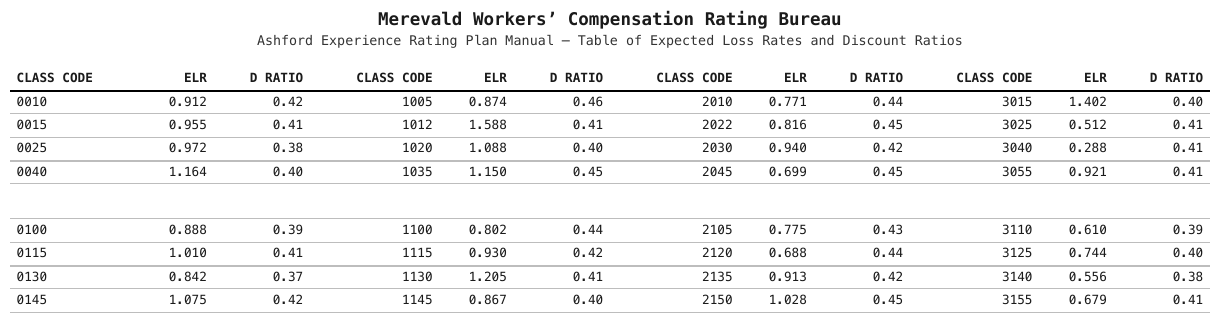
Expected output · table 1 of 4
| CLASS CODE | ELR | D RATIO |
|---|---|---|
| 0010 | 0.912 | 0.42 |
| 0015 | 0.955 | 0.41 |
| 0025 | 0.972 | 0.38 |
| 0040 | 1.164 | 0.40 |
| 0100 | 0.888 | 0.39 |
| 0115 | 1.010 | 0.41 |
| 0130 | 0.842 | 0.37 |
| 0145 | 1.075 | 0.42 |
Non-conforming output
What the rule rules out.
| CLASS CODE | ELR | D RATIO | CLASS CODE | ELR | D RATIO | CLASS CODE | ELR | D RATIO | CLASS CODE | ELR | D RATIO | |||||||||||||||||||||||||||||||||||||||||||||||||||||||||||||||||||||||||||||||||||||||
|---|---|---|---|---|---|---|---|---|---|---|---|---|---|---|---|---|---|---|---|---|---|---|---|---|---|---|---|---|---|---|---|---|---|---|---|---|---|---|---|---|---|---|---|---|---|---|---|---|---|---|---|---|---|---|---|---|---|---|---|---|---|---|---|---|---|---|---|---|---|---|---|---|---|---|---|---|---|---|---|---|---|---|---|---|---|---|---|---|---|---|---|---|---|---|---|---|---|---|
| 0010 | 0.912 | 0.42 | 1005 | 0.874 | 0.46 | 2010 | 0.771 | 0.44 | 3015 | 1.402 | 0.40 | |||||||||||||||||||||||||||||||||||||||||||||||||||||||||||||||||||||||||||||||||||||||
| 0015 | 0.955 | 0.41 | 1012 | 1.588 | 0.41 | 2022 | 0.816 | 0.45 | 3025 | 0.512 | 0.41 | |||||||||||||||||||||||||||||||||||||||||||||||||||||||||||||||||||||||||||||||||||||||
| 0025 | 0.972 | 0.38 | 1020 | 1.088 | 0.40 | 2030 | 0.940 | 0.42 | 3040 | 0.288 | 0.41 | |||||||||||||||||||||||||||||||||||||||||||||||||||||||||||||||||||||||||||||||||||||||
| 0040 | 1.164 | 0.40 | 1035 | 1.150 | 0.45 | 2045 | 0.699 | 0.45 | 3055 | 0.921 | 0.41 | |||||||||||||||||||||||||||||||||||||||||||||||||||||||||||||||||||||||||||||||||||||||
| … | ||||||||||||||||||||||||||||||||||||||||||||||||||||||||||||||||||||||||||||||||||||||||||||||||||
The SL Tier | Factor pair repeats three times inside one frame535
The SL Tier | Factor pair repeats three times inside one frame, with tiers 0–30, 31–61,
62–92. These are three consecutive ranges of one series. Three tables are preferred even though
horizontal rules cross the entire frame. The source-printed six-column grid and a single vertically
stacked series remain equivalent when every tier/factor association is preserved.
Source page
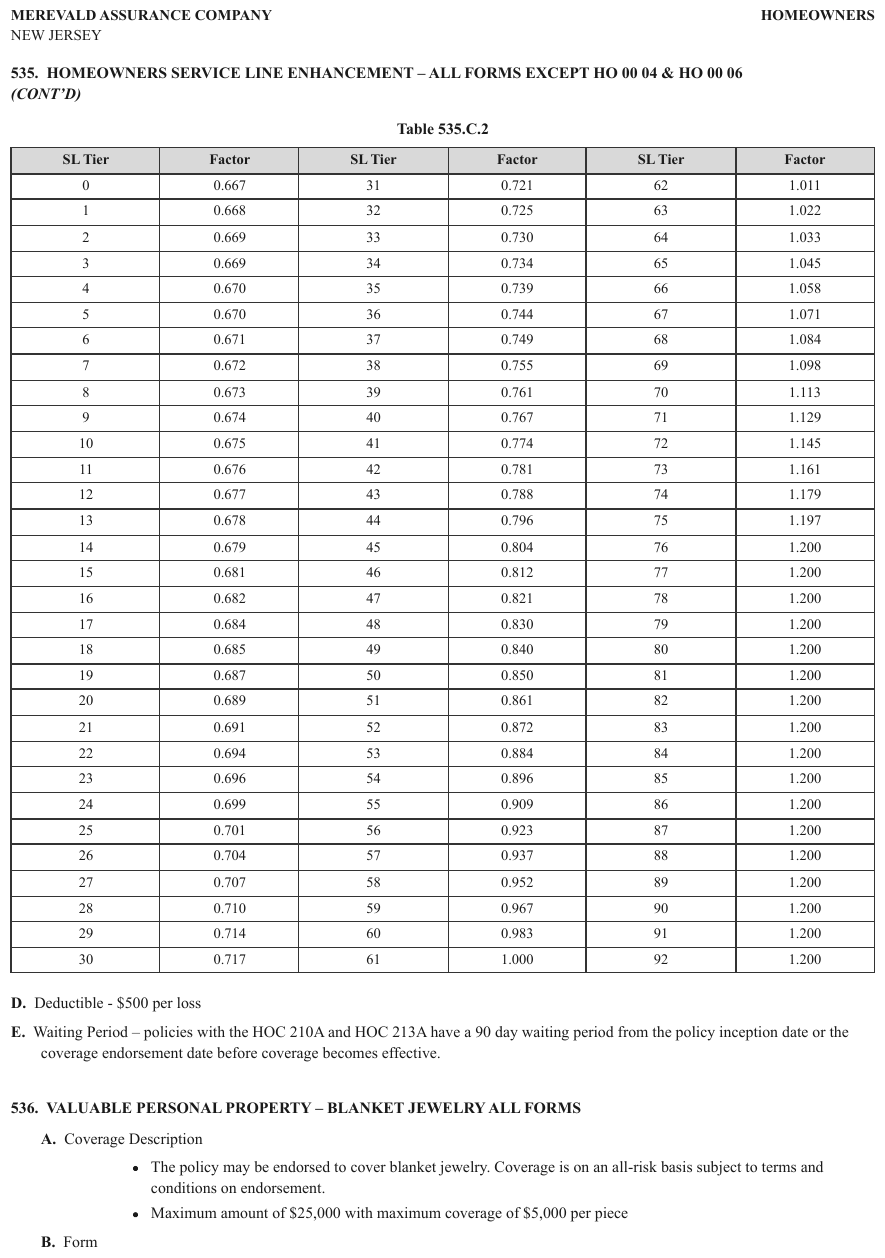
Expected output · excerpts, all three blocks
| SL Tier | Factor | |||||||||||||||||||||||||||||||||||||||||||||||||||||||||||||||||||||||||||||||||||||||||||||||||
|---|---|---|---|---|---|---|---|---|---|---|---|---|---|---|---|---|---|---|---|---|---|---|---|---|---|---|---|---|---|---|---|---|---|---|---|---|---|---|---|---|---|---|---|---|---|---|---|---|---|---|---|---|---|---|---|---|---|---|---|---|---|---|---|---|---|---|---|---|---|---|---|---|---|---|---|---|---|---|---|---|---|---|---|---|---|---|---|---|---|---|---|---|---|---|---|---|---|---|
| 0 | 0.667 | |||||||||||||||||||||||||||||||||||||||||||||||||||||||||||||||||||||||||||||||||||||||||||||||||
| 1 | 0.668 | |||||||||||||||||||||||||||||||||||||||||||||||||||||||||||||||||||||||||||||||||||||||||||||||||
| … | ||||||||||||||||||||||||||||||||||||||||||||||||||||||||||||||||||||||||||||||||||||||||||||||||||
| 30 | 0.717 | |||||||||||||||||||||||||||||||||||||||||||||||||||||||||||||||||||||||||||||||||||||||||||||||||
| SL Tier | Factor | |||||||||||||||||||||||||||||||||||||||||||||||||||||||||||||||||||||||||||||||||||||||||||||||||
|---|---|---|---|---|---|---|---|---|---|---|---|---|---|---|---|---|---|---|---|---|---|---|---|---|---|---|---|---|---|---|---|---|---|---|---|---|---|---|---|---|---|---|---|---|---|---|---|---|---|---|---|---|---|---|---|---|---|---|---|---|---|---|---|---|---|---|---|---|---|---|---|---|---|---|---|---|---|---|---|---|---|---|---|---|---|---|---|---|---|---|---|---|---|---|---|---|---|---|
| 31 | 0.721 | |||||||||||||||||||||||||||||||||||||||||||||||||||||||||||||||||||||||||||||||||||||||||||||||||
| 32 | 0.725 | |||||||||||||||||||||||||||||||||||||||||||||||||||||||||||||||||||||||||||||||||||||||||||||||||
| … | ||||||||||||||||||||||||||||||||||||||||||||||||||||||||||||||||||||||||||||||||||||||||||||||||||
| 61 | 1.000 | |||||||||||||||||||||||||||||||||||||||||||||||||||||||||||||||||||||||||||||||||||||||||||||||||
| SL Tier | Factor | |||||||||||||||||||||||||||||||||||||||||||||||||||||||||||||||||||||||||||||||||||||||||||||||||
|---|---|---|---|---|---|---|---|---|---|---|---|---|---|---|---|---|---|---|---|---|---|---|---|---|---|---|---|---|---|---|---|---|---|---|---|---|---|---|---|---|---|---|---|---|---|---|---|---|---|---|---|---|---|---|---|---|---|---|---|---|---|---|---|---|---|---|---|---|---|---|---|---|---|---|---|---|---|---|---|---|---|---|---|---|---|---|---|---|---|---|---|---|---|---|---|---|---|---|
| 62 | 1.011 | |||||||||||||||||||||||||||||||||||||||||||||||||||||||||||||||||||||||||||||||||||||||||||||||||
| 63 | 1.022 | |||||||||||||||||||||||||||||||||||||||||||||||||||||||||||||||||||||||||||||||||||||||||||||||||
| … | ||||||||||||||||||||||||||||||||||||||||||||||||||||||||||||||||||||||||||||||||||||||||||||||||||
| 92 | 1.200 | |||||||||||||||||||||||||||||||||||||||||||||||||||||||||||||||||||||||||||||||||||||||||||||||||
The case that looks the same but is not
Blocks with different super-headers over the same rows are one genuinely wide table, not a continuation. They MUST be rendered as a single table with each super-header spanning its columns.
| Non-Tobacco | Tobacco |     ← different super-headers over the same
| Age | M | F | M | F   |       ages: ONE genuinely wide table
The discriminator: in a continuation the blocks are the same columns with the key continuing onward; here the blocks are different columns describing the same rows.
Same visual shape, different meaning3tables
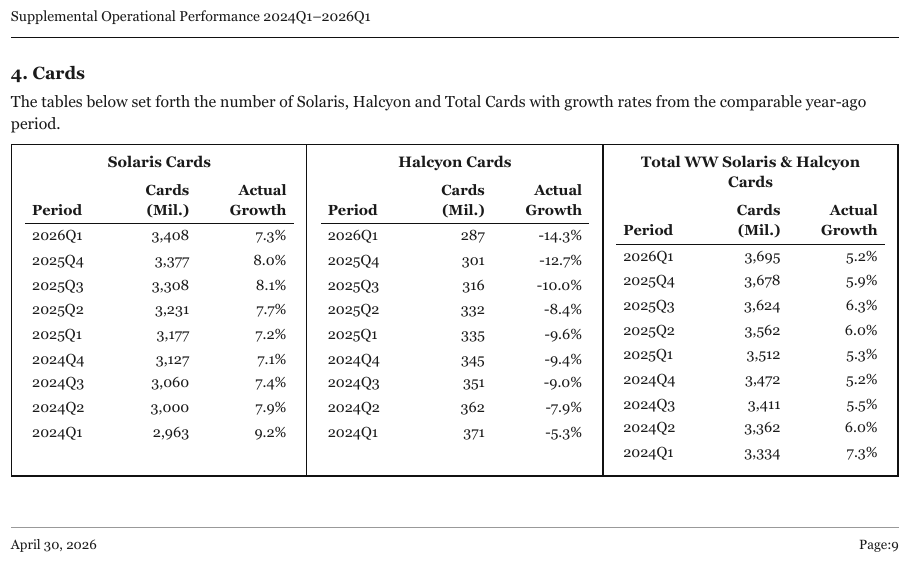
Solaris / Halcyon / Total are three independent series, not one series split by key range, so they are three tables, each with its boxed title as a spanning header row. Distinguishing this from the samples above is the whole difficulty.
Source page
Expected output · table 1 of 3
| Solaris Cards | ||
|---|---|---|
| Period | Cards (Mil.) | Actual Growth |
| 2026Q1 | 3,408 | 7.3% |
| 2025Q4 | 3,377 | 8.0% |
| 2025Q3 | 3,308 | 8.1% |
| 2025Q2 | 3,231 | 7.7% |
| 2025Q1 | 3,177 | 7.2% |
| 2024Q4 | 3,127 | 7.1% |
| 2024Q3 | 3,060 | 7.4% |
| 2024Q2 | 3,000 | 7.9% |
| 2024Q1 | 2,963 | 9.2% |
The contrast case sharpened2tab
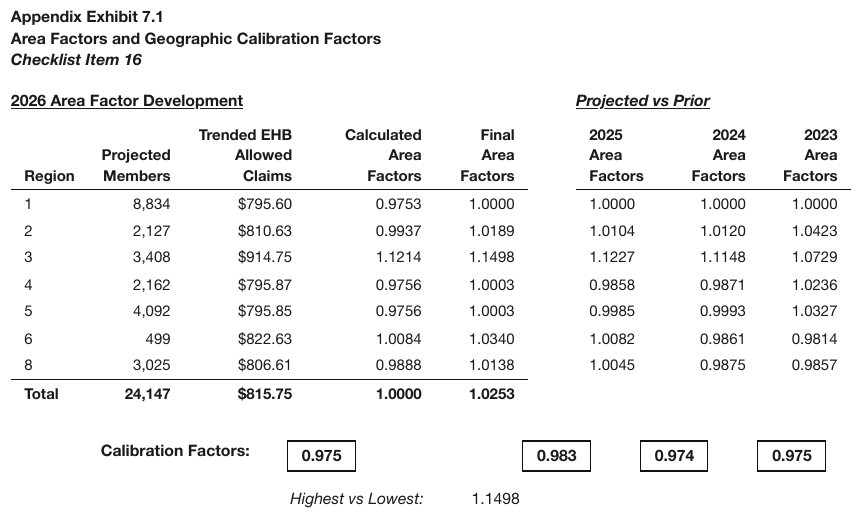
two differently titled panels that share one Region row spine are
one wide table, each panel title a spanning super-header. The left title is bold and
underlined, the right one bold, italic and underlined; the Total row prints values in the left
panel only.
Source page
Expected output · excerpt
| 2026 Area Factor Development | Projected vs Prior | ||||||
|---|---|---|---|---|---|---|---|
| Region | Projected Members | Trended EHB Allowed Claims | Calculated Area Factors | Final Area Factors | 2025 Area Factors | 2024 Area Factors | 2023 Area Factors |
| 1 | 8,834 | $795.60 | 0.9753 | 1.0000 | 1.0000 | 1.0000 | 1.0000 |
| 2 | 2,127 | $810.63 | 0.9937 | 1.0189 | 1.0104 | 1.0120 | 1.0423 |
| 3 | 3,408 | $914.75 | 1.1214 | 1.1498 | 1.1227 | 1.1148 | 1.0729 |
| 4 | 2,162 | $795.87 | 0.9756 | 1.0003 | 0.9858 | 0.9871 | 1.0236 |
| 5 | 4,092 | $795.85 | 0.9756 | 1.0003 | 0.9985 | 0.9993 | 1.0327 |
| 6 | 499 | $822.63 | 1.0084 | 1.0340 | 1.0082 | 0.9861 | 0.9814 |
| 8 | 3,025 | $806.61 | 0.9888 | 1.0138 | 1.0045 | 0.9875 | 0.9857 |
| Total | 24,147 | $815.75 | 1.0000 | 1.0253 | |||
…
Look-alike
Two similar pages that call for different decisions. Synthetic, for teaching the boundary.
Two blocks, same header, sitting next to each other. One table or two?
Column continuation
| State | Rate |
|---|---|
| AL | 1.10 |
| AK | 1.04 |
| AR | 0.98 |
| State | Rate |
|---|---|
| MT | 0.95 |
| NE | 1.01 |
| NV | 1.12 |
One table per printed block, headers copied.
Independent mini tables
| Period | Mil. |
|---|---|
| 2026Q1 | 3,408 |
| 2025Q4 | 3,377 |
| Period | Mil. |
|---|---|
| 2026Q1 | 412 |
| 2025Q4 | 418 |
Separate tables. Ignore row alignment entirely.
Look at the structure. What evidence changes the answer?
The same row labels repeat under a second block of columns. Re-widen it, or keep the blocks?
Horizontal slicing
| State | Jan | Feb |
|---|---|---|
| AL | 1.1 | 1.2 |
| AK | 0.9 | 1.0 |
| State | Mar | Apr |
|---|---|---|
| AL | 1.2 | 1.3 |
| AK | 1.0 | 1.1 |
One table per printed block. Never re-widen.
A genuinely wide table
| Non-Tobacco | Tobacco | |||
|---|---|---|---|---|
| Age | M | F | M | F |
| 35 | 1.02 | 0.98 | 1.61 | 1.44 |
| 45 | 1.31 | 1.20 | 2.08 | 1.83 |
One table, the super-headers spanning their columns.
Look at the structure. What evidence changes the answer?
Neighbouring rules, and how they differ
More
Rule id tables-column-continuation · tables boundaries continuation